The NSW Department of Climate Change, Energy, the Environment and Water is getting ready to launch the Choose Circular Directory, a new online platform to help buyers across NSW find and choose sustainable products.
Suppliers of recycled content products are invited to sign up and be one of the first to be featured when it launches.
What is the Choose Circular Directory?
This new online directory is a free platform showcasing suppliers of recycled products. It connects suppliers with government agencies, businesses, and the public.
From 1 July 2026, the way employers pay super is set to change. The Federal Government has announced that superannuation contributions will need to be paid at the same time as wages, rather than quarterly. This reform, k…
KBDi NewsConsumer NewsIndustry News
Public Holiday List | 2026
13 Oct 2025
6 Min Read
Planning ahead just got easier. The ACFA Workplace Advice Team has compiled and summarised the official 2026 Public Holidays for each state and territory across Australia.
This clear, easy-to-read guide helps members quickly find the dates that matter most for workplaces, businesses, and employees, ensuring you stay informed and compliant while organising operations for the year ahead.
Australian Capital Territory
Thursday 1 January – New Year’s Day
Monday 26 January – Australia Day
Monday 9 March – Canberra Day
Friday 3 April – Good Friday
Saturday 4 April – Easter Saturday – the day after Good Friday
Sunday 5 April – Easter Sunday
Monday 6 April – Easter Monday
Saturday 25 April – Anzac Day
Monday 1 June – Reconciliation Day
Monday 8 June – King’s Birthday
Monday 5 October – Labour Day
Friday 25 December – Christmas Day
Saturday 26 December – Boxing Day
Monday 28 December – Additional public holiday for Boxing Day
New South Wales
Thursday 1 January – New Year’s Day
Monday 26 January – Australia Day
Friday 3 April – Good Friday
Saturday 4 April – Easter Saturday
Sunday 5 April – Easter Sunday
Monday 6 April – Easter Monday
Saturday 25 April – Anzac Day
Monday 8 June – King’s Birthday
Monday 5 October – Labour Day
Friday 25 December – Christmas Day
Saturday 26 December – Boxing Day
Monday 28 December – Additional public holiday for Boxing Day
Northern Territory
Thursday 1 January – New Year’s Day
Monday 26 January – Australia Day
Friday 3 April – Good Friday
Saturday 4 April – Easter Saturday
Sunday 5 April – Easter Sunday
Monday 6 April – Easter Monday
Saturday 25 April – Anzac Day
Monday 4 May – May Day
Monday 8 June – King’s Birthday
Monday 3 August – Picnic Day
Thursday 24 December – Christmas Eve (from 7 pm to midnight)
Friday 25 December – Christmas Day
Saturday 26 December – Boxing Day
Monday 28 December – Additional public holiday for Boxing Day
Thursday 31 December – New Year’s Eve (from 7 pm to midnight)
Queensland
Thursday 1 January – New Year’s Day
Monday 26 January – Australia Day
Friday 3 April – Good Friday
Saturday 4 April – The day after Good Friday
Sunday 5 April – Easter Sunday
Monday 6 April – Easter Monday
Saturday 25 April – Anzac Day
Monday 4 May – Labour Day
Wednesday 12 August – Royal Queensland Show (Brisbane area only)
Monday 5 October – King’s Birthday
Thursday 24 December – Christmas Eve (from 6 pm to midnight)
Friday 25 December – Christmas Day
Saturday 26 December – Boxing Day
Monday 28 December – Additional public holiday for Boxing Day
South Australia
Thursday 1 January – New Year’s Day
Monday 26 January – Australia Day
Monday 9 March – Adelaide Cup Day
Friday 3 April – Good Friday
Saturday 4 April – Easter Saturday
Sunday 5 April – Easter Sunday
Monday 6 April – Easter Monday
Saturday 25 April – Anzac Day
Monday 8 June – King’s Birthday
Monday 5 October – Labour Day
Thursday 24 December – Christmas Eve (from 7 pm to midnight)
Friday 25 December – Christmas Day
Saturday 26 December – Proclamation Day holiday / Boxing Day
Monday 28 December – Additional public holiday for Proclamation Day holiday / Boxing Day
Thursday 31 December – New Year’s Eve (from 7 pm to midnight)
Tasmania
Thursday 1 January – New Year’s Day
Monday 26 January – Australia Day
Monday 9 February – Royal Hobart Regatta (only observed in certain areas of the state)
Monday 9 March – Eight Hours Day
Friday 3 April – Good Friday
Monday 6 April – Easter Monday
Tuesday 7 April – Easter Tuesday (generally Tasmanian Public Service only)
Saturday 25 April – Anzac Day
Monday 8 June – King’s Birthday
Monday 2 November – Recreation Day (areas of the state that don’t observe Royal Hobart Regatta)
Friday 25 December – Christmas Day
Monday 28 December – Boxing Day
Victoria
Thursday 1 January – New Year’s Day
Monday 26 January – Australia Day
Monday 9 March – Labour Day
Friday 3 April – Good Friday
Saturday 4 April – Saturday before Easter Sunday
Sunday 5 April – Easter Sunday
Monday 6 April – Easter Monday
Saturday 25 April – Anzac Day
Monday 8 June – King’s Birthday
Subject to AFL schedule (date TBC) – Friday before the AFL Grand Final
Tuesday 3 November – Melbourne Cup
Friday 25 December – Christmas Day
Saturday 26 December – Boxing Day
Monday 28 December – Additional public holiday for Boxing Day
Western Australia
Thursday 1 January – New Year’s Day
Monday 26 January – Australia Day
Monday 2 March – Labour Day
Friday 3 April – Good Friday
Sunday 5 April – Easter Sunday
Monday 6 April – Easter Monday
Saturday 25 April – Anzac Day
Monday 27 April – Additional public holiday for Anzac Day
Monday 1 June – Western Australia Day
Monday 28 September – King’s Birthday (some regional areas in WA hold the King’s Birthday public holiday on a different date)
Friday 25 December – Christmas Day
Saturday 26 December – Boxing Day
Monday 28 December – Additional public holiday for Boxing Day
From 1 July 2026, the way employers pay super is set to change. The Federal Government has announced that superannuation contributions will need to be paid at the same time as wages, rather than quarterly. This reform, k…
KBDi NewsACFA Member NewsConsumer NewsIndustry News
KBDi Membership Vote to Merge with ACFA
26 May 2025
3 Min Read
A STRONGER FUTURE TOGETHER
We’re delighted to share some exciting news with our ACFA Members.
Following a successful vote at the KBDi’s Annual General Meeting on Wednesday, 14th May, the Kitchen and Bathroom Designers Institute (KBDi) and the Australian Cabinet and Furniture Association (ACFA) will officially merge in a strategic alliance that promises to transform the kitchen, bathroom, and cabinetry sector in Australia.
This merger unites two respected organisations with shared values and a common vision. Together, we will create a more powerful, connected, and resourceful organisation, serving our members from concept design to project completion and elevating the industry as a whole.
Why This Merger Matters:
Securing the future of KBDi. Joining forces with KBDi ensures a stronger financial and strategic foundation for our organisation and its members.
Creating a stronger voice As a united front, we will have greater influence and advocacy power at both the state and national levels.
Expanding training and education ACFA’s 75-year history in the cabinet and furniture manufacturing sector—and its status as a Registered Training Organisation—will open new educational pathways, including the development of a nationally recognised Certificate IV in Kitchen and Bathroom Design and more business-focus short courses.
Expanding Event Calendar ACFA Members will have the opportunity to attend various KBDi Chapter Events, Tradeshows and their annual conference, as a way to network and discover the latest design trends and products.
What Comes Next?
Over the coming weeks, we will begin working closely with the KBDi team to plan the transition and explore the many opportunities this merger will bring. Our focus remains firmly on supporting you—our valued members—and ensuring a smooth and strategic integration.
ACFA will share in the coming months ways members will be able to access current and future benefits of this joint collaboration as we bring more value to our membership. Make sure you keep your eye out for future member bulletins!
This marks a significant milestone in both ACFA’s and KBDi’s history, and we thank you for your ongoing support and commitment as we embark on this exciting new chapter.
From 1 July 2026, the way employers pay super is set to change. The Federal Government has announced that superannuation contributions will need to be paid at the same time as wages, rather than quarterly. This reform, k…
KBDi NewsConsumer NewsIndustry News
NSW East Coast Severe Weather | May 2025
26 May 2025
15 Min Read
NSW East Coast Severe Weather from 18 May 2025 – Storm and Floods
The Local Government Areas (LGAs) that have been severely impacted by a natural disaster. With a disaster declaration for their area, affected communities and individuals can access a range of special assistance measures
The NSW Government’s Natural Disaster Declaration applies to the LGAs of: Bellingen, Central Coast, Cessnock, Clarence Valley, Coffs Harbour, Dungog, Kempsey, Lake Macquarie, Maitland, MidCoast, Nambucca, Newcastle, Port Macquarie, Port Stephens, Singleton and Upper Hunter.
Stay Informed on NSW Flood Recovery Updates
If your community has been impacted by recent flooding, it’s important to stay updated on support and recovery efforts. The NSW Government’s Flood Recovery Updates page provides the latest information on clean-up operations, financial assistance, and community resources available across affected regions. Visit the page regularly to access vital services and updates:
From 1 July 2026, the way employers pay super is set to change. The Federal Government has announced that superannuation contributions will need to be paid at the same time as wages, rather than quarterly. This reform, k…
KBDi NewsACFA Member NewsConsumer NewsIndustry News
New Furniture Safety Standards | Toppling Furniture
21 May 2025
10 Min Read
Are You Ready?
Since 2000, at least 28 Australians – including 17 children under the age of five have tragically died due to furniture tip-over incidents. Each year, over 900 Australians suffer injuries requiring medical assistance as a result of toppling furniture. Children under five and older Australians are particularly at risk.
To address this, the Australian Government has introduced the Consumer Goods (Toppling Furniture) Information Standard 2024, which will come into effect on the 4th of May 2025. The new standard aims to raise awareness of the hazards associated with toppling furniture and reduce the risk of serious injury or death in the home.
What is Toppling Furniture?
The standard defines “toppling furniture” as freestanding household furniture that poses a tipping risk. However, it excludes:
Furniture that was bought by a consumer and is being resold
Second-hand furniture, including furniture that was previously bought and used commercially
Furniture designed to be fastened to a wall or other structure and that can’t be used unless it’s attached.
Furniture covered under the standard falls into the following categories:
Category 1 furniture – A clothing storage unit or bookcase with a height of 686 mm or more. A clothing storage unit is an item of furniture designed to be used primarily to store clothes and that contains one or more doors, drawers or other extendable elements.
Category 2 furniture – Entertainment units of any height. Entertainment units are designed to be used primarily to house, support or carry a television.
Category 3 furniture – Hall tables, display cabinets, buffets, and sideboards with a height of 686 mm or greater.
What Are Your Obligations?
From 4 May 2025, businesses that manufacture, import, supply, or sell toppling furniture must comply with the following information requirements:
Point of sale
Clear and legible warnings about the risk of tip-overs and the importance of anchoring must be provided:
Online: within the product description
In-store: on or near the product
Affixed to the furniture
Permanent warnings must be attached to each product covered by the mandatory standard. These must be durable, clearly visible when the furniture is empty, and last the lifetime of the product.
Included in the instructions
Assembly or user instructions must include a prominent warning about the tipping risk and instructions for anchoring the product safely.
What Should the Warnings Say?
Each warning must include:
An alert word in upper case (such as “WARNING” or “DANGER”)
A statement that children have died from furniture tip-overs
An internationally recognised safety alert symbol (see below)
Compliance and Enforcement
Compliance and Enforcement The mandatory information standard commences on 4 May 2025. From then, failure to comply with the mandatory information standard may constitute a contravention of the Australian Consumer Law and expose a business or individual to enforcement action by the ACCC with penalties of up to $50,000 per breach.
Guidance materials to help suppliers comply with the mandatory standard can be found on the ACCC website.
NEXT STEPS
We encourage all members to:
Review the standard and assess which of your products may be affected
Update product labels, online listings, packaging, and user instructions as required
Stay informed by monitoring industry updates and official communications
From 1 July 2026, the way employers pay super is set to change. The Federal Government has announced that superannuation contributions will need to be paid at the same time as wages, rather than quarterly. This reform, k…
KBDi NewsACFA Training NewsConsumer NewsIndustry News
ACFA Welcomes Government’s Housing Construction Apprenticeship Incentive
06 Feb 2025
15 Min Read
ACFA Welcomes Government’s Housing Construction Apprenticeship Incentive
Calls for Clarity on Eligible Trades
The Australian Cabinet and Furniture Association (ACFA) welcomes the Federal Government’s $626.9 million Housing Construction Apprenticeship Incentive Program, set to launch on 1 July 2025, providing $10,000 in staged incentive payments to eligible apprentices in the residential construction sector.
This initiative is a critical step in addressing Australia’s housing crisis, with a national target of 1.2 million new homes over five years, requiring an additional 90,000 skilled workers in the industry. ACFA strongly supports this investment in workforce development and the Government’s commitment to growing skilled trades.
ACFA has contacted Andrew Giles, Minister for Industry, Skills, and Training, along with Sussan Ley, Shadow Minister for Industry, Skills, and Training, requesting confirmation on whether the MSF30322 Certificate III in Cabinet Making and Timber Technology will be included as an eligible apprenticeship under the program.
Cabinet Making: Essential to Construction and Recognised as a Priority Trade
Cabinetmaking is a fundamental trade within residential and commercial construction, responsible for essential interior elements such as kitchen joinery, bathroom vanities, wardrobes, and bespoke storage solutions. Without cabinetmakers, homes and commercial buildings cannot be completed to a functional and liveable standard.
Furthermore, cabinetmaking is already listed on the Australian Apprenticeships Priority List, acknowledging its critical role in the construction industry and national skills demand. Apprentices training in priority occupations are eligible for additional financial support, reinforcing the need for cabinetmaking to be included in the Housing Construction Apprenticeship Incentive Program.
Clearer Guidelines Needed to Support Workforce Growth
ACFA urges the Government to expedite the announcement of eligible apprenticeships under this program to provide certainty for apprentices, employers, and training providers. Delayed clarification could result in missed opportunities to attract new entrants to the industry, making it harder to meet the Government’s housing targets.
Cabinetmakers are the finishing trade that brings homes to completion, and it makes absolute sense that the MSF30322 Certificate III in Cabinet Making and Timber Technology is included in the incentive program. Without cabinetmakers, homes remain incomplete. The sooner we receive confirmation, the better we can support apprenticeship growth in this essential trade.
ACFA Stands Ready to Support the Implementation
As the leading industry body representing cabinetmakers, joiners, and the broader furniture industry, ACFA is committed to working with the Government and industry stakeholders to ensure apprentices in this vital trade receive the support they need.
ACFA commends the Government for investing in the skilled workforce needed to build Australia’s future, and we look forward to cabinetmaking apprentices being recognised under this initiative.
ACFA calls on the Government to provide clarity sooner than later on the eligibility criteria for apprenticeships under this incentive, ensuring cabinetmaking is rightfully included and apprentices are encouraged to enter and remain in the industry.
Dean Brakell
CEO Australian Cabinet and Furniture Association (ACFA)
RTO: 90432
Media Inquiries:
For Media Inquiries, please get in touch with our Training Department via 1300 342 248 or info@acfa.net.au
From 1 July 2026, the way employers pay super is set to change. The Federal Government has announced that superannuation contributions will need to be paid at the same time as wages, rather than quarterly. This reform, k…
KBDi NewsACFA Member NewsConsumer NewsIndustry News
2025 Public Holidays
16 Dec 2024
6 Min Read
The ACFA Team have put together a list of the different public holidays seen around the country. Click on a State or Territory for the list to drop down:
National Public Holidays
New Year’s Day – Wednesday 1 January
Australia Day – Monday 27 January
Good Friday – Friday 18 April
Easter Saturday – Saturday 19 April
Easter Sunday – Sunday 20 April
Easter Monday – Monday 21 April
Anzac Day – Friday 25 April
King’s Birthday (except QLD & WA) – Monday 9 June
Christmas Day – Thursday 25 December
Boxing Day (proclamation-day SA) – Friday 26 December
Note: South Australia and Northern Territory have a part-day public holiday for Christmas Eve and New Year’s Eve from 7pm to 12 midnight
Queensland has a part-day public holiday for Christmas Eve from 6pm to 12 midnight
Australian Capital Territory
Wednesday 1 January – New Year’s Day
Monday 27 January – Australia Day
Monday 10 March – Canberra Day
Friday 18 April – Good Friday
Saturday 19 April – Easter Saturday – the day after Good Friday
Sunday 20 April – Easter Sunday
Monday 21 April – Easter Monday
Friday 25 April – Anzac Day
Monday 2 June – Reconciliation Day
Monday 9 June – King’s Birthday
Monday 6 October – Labour Day
Thursday 25 December – Christmas Day
Friday 26 December – Boxing Day
New South Wales
Wednesday 1 January – New Year’s Day
Monday 27 January – Australia Day
Friday 18 April – Good Friday
Saturday 19 April – Easter Saturday
Sunday 20 April – Easter Sunday
Monday 21 April – Easter Monday
Friday 25 April – Anzac Day
Monday 9 June – King’s Birthday
Monday 6 October – Labour Day
Thursday 25 December – Christmas Day
Friday 26 December – Boxing Day
Northern Territory
Wednesday 1 January – New Year’s Day
Monday 27 January – Australia Day
Friday 18 April – Good Friday
Saturday 19 April – Easter Saturday
Sunday 20 April – Easter Sunday
Monday 21 April – Easter Monday
Friday 25 April – Anzac Day
Monday 5 May – May Day
Monday 9 June – King’s birthday
Monday 4 August – Picnic Day
Wednesday 24 December – Christmas Eve (from 7pm to midnight)
Thursday 25 December – Christmas Day
Friday 26 December – Boxing Day
Wednesday 31 December – New Year’s Eve (from 7pm to midnight)
Queensland
Wednesday 1 January – New Year’s Day
Monday 27 January – Australia Day
Friday 18 April – Good Friday
Saturday 19 April – The day after good Friday
Sunday 20 April – Easter Sunday
Monday 21 April – Easter Monday
Friday 25 April – Anzac Day
Monday 5 May – Labour Day
Wednesday 13 August – Royal Queensland Show (Brisbane area only)
Monday 6 October – King’s Birthday
Wednesday 24 December – Christmas Eve (from 6pm to midnight)
Thursday 25 December – Christmas Day
Friday 26 December – Boxing Day
South Australia
Wednesday 1 January – New Year’s Day
Monday 27 January – Australia Day
Monday 10 March – Adelaide Cup Day
Friday 18 April – Good Friday
Saturday 19 April – Easter Saturday
Sunday 20 April – Easter Sunday
Monday 21 April – Easter Monday
Friday 25 April – Anzac Day
Monday 9 June – King’s Birthday
Monday 6 October – Labour Day
Wednesday 24 December – Christmas Eve (from 7pm to midnight)
Thursday 25 December – Christmas Day
Friday 26 December – Proclamation Day public holiday / Boxing Day
Wednesday 31 December – New Year’s Eve (from 7pm to midnight)
Tasmania
Wednesday 1 January – New Year’s Day
Monday 27 January – Australia Day
Monday 10 February – Royal Hobart Regatta (only observed in certain areas of the state)
Monday 10 March – Eight Hours Day
Friday 18 April – Good Friday
Saturday 19 April – Easter Saturday
Sunday 20 April – Easter Sunday
Monday 21 April – Easter Monday
Tuesday 22 April – Easter Tuesday (generally Tasmanian Public Service Only)
Friday 25 April – Anzac Day
Monday 9 June – King’s Birthday
Monday 3 November – Recreation Day (areas of the state that don’t observe Royal Hobart Regatta)
Thursday 25 December – Christmas Day
Friday 26 December – Boxing Day
Victoria
Wednesday 1 January – New Year’s Day
Monday 27 January – Australia Day
Monday 10 March – Labour Day
Friday 18 April – Good Friday
Saturday 19 April – Saturday before Easter Sunday
Sunday 20 April – Easter Sunday
Monday 21 April – Easter Monday
Friday 25 April – Anzac Day
Monday 9 June – King’s Birthday
TBC – Friday before AFL Grand Final (subject to AFL schedule)
Tuesday 4 November – Melbourne Cup
Wednesday 25 December – Christmas Day
Thursday 26 December – Boxing Day
Western Australia
Wednesday 1 January – New Year’s Day
Monday 27 January – Australia Day
Monday 3 March – Labour Day
Friday 18 April – Good Friday
Sunday 20 April – Easter Sunday
Monday 21 April – Easter Monday
Friday 25 April – Anzac Day
Monday 2 June – Western Australia Day
Monday 29 September – King’s Birthday (some regional areas in WA hold the King’s Birthday public holiday on a different date)
From 1 July 2026, the way employers pay super is set to change. The Federal Government has announced that superannuation contributions will need to be paid at the same time as wages, rather than quarterly. This reform, k…
KBDi NewsConsumer NewsIndustry News
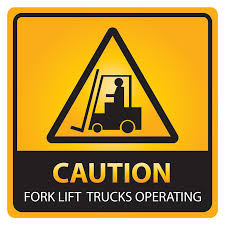
Forklift Safety Reminder: Learn from the Mistakes of Others
01 Oct 2024
3 Min Read
WorkSafe Victoria v A Worldwide Pty Ltd (2024),
Arrow Worldwide Pty Ltd (offender) was recently fined over $413,000 after a serious forklift incident left a truck driver with life-altering injuries, including the amputation of both legs.
Initially fined $140,000, the penalty was significantly increased on appeal due to the severity of the breach. The court noted that, but for the plea of guilty, the offender would have been sentenced to pay a fine of $800,000 with conviction.
Although Arrow Worldwide had been in operation for 30 years with no prior convictions and had a positive reputation as a good corporate citizen—regularly donating to charitable organisations and sponsoring various clubs and events—these factors played a subsidiary role in determining the penalty. The court emphasised the importance of setting a penalty that would act as a warning not only to the offender but also to others who might hear of the matter.
WorkSafe attended the workplace following the incident and observed that the offender had failed to demarcate a driver safety zone which ensured that truck drivers were segregated from forklifts during the task of loading vehicles.
By its plea, the offender acknowledged that it failed to provide a safe system of work for the task of loading and unloading vehicles at the workplace which:
Required there to be no movement of machinery and persons at the same time within the area in which the forklift was used to load/unload;
Required transport drivers to be located in an area that was free from interaction between equipment, machinery and persons (the driver safety zone) before the task was commenced; and
Required transport drivers who attended the workplace to be instructed in relation to the loading and unloading exclusion zones, and in particular, the need to remain within the driver safety zone while the activity took place
The incident highlights critical safety failings that could have prevented the accident. Forklifts are essential tools in our industry, but they come with serious risks. Ensuring that clear safety protocols are in place, such as segregating drivers from forklifts, is not just best practice—it’s a matter of life and death.
Let’s take this as a stark reminder of the importance of forklift safety. Review your workplace procedures, make necessary adjustments, and always prioritise safety to avoid devastating consequences.
From 1 July 2026, the way employers pay super is set to change. The Federal Government has announced that superannuation contributions will need to be paid at the same time as wages, rather than quarterly. This reform, k…
KBDi NewsConsumer NewsIndustry News
Alert: SafeWork Victoria Cracks Down on Non-Compliance – Be Prepared
08 Aug 2024
15 Min Read
Engineered Stone Ban
Since the engineered stone ban took effect on 1 July in Victora, many stone suppliers and manufacturers have been subject to unexpected WorkSafe inspections. As a result, hundreds of illegal benchtops have been detected.
Scores of stone suppliers and manufacturers have faced surprise WorkSafe inspections and hundreds of illegal benchtops have been detected since Victoria’s engineered stone ban took effect.
Victorias WorkSafe’s Silica Field Team conducted visits to 52 industry sites over the past month, issuing 25 compliance notices. During these inspections, more than 65 samples of suspected engineered stone, as well as products labelled as porcelain and sintered stone, were seized for testing to determine their silica and resin content.
In addition, nearly 1,000 banned engineered stone benchtops have been placed under non-disturbance notices to prevent their distribution to Victorian businesses and consumers.
WorkSafe Victoria also issued improvement notices to duty holders who lacked the required hazard control statements or did not provide adequate information regarding the silica content of alternative products, such as porcelain or sintered stone.
WorkSafe Victoria has made it clear that they will take firm compliance and enforcement action against any duty holders who violate the engineered stone ban. This could include prosecution and substantial fines.
From 1 July 2026, the way employers pay super is set to change. The Federal Government has announced that superannuation contributions will need to be paid at the same time as wages, rather than quarterly. This reform, k…
KBDi NewsConsumer NewsIndustry News
Update from Product Safety Australia – Toppling Furniture
20 May 2024
15 Min Read
Furniture suppliers will be required to provide safety warnings to consumers about the dangers of toppling furniture, after the Assistant Treasurer, the Hon. Stephen Jones, made a new information standard for toppling furniture, the Consumer Goods (Toppling Furniture) Information Standard 2024.
This new standard applies to certain types of furniture and will require suppliers to attach a permanent warning label to furniture; include safety information and advice about anchoring furniture in manuals and assembly instructions; and provide warnings about the hazards of toppling furniture in furniture stores and online.
Suppliers must comply with these requirements from 4 May 2025.
Products the mandatory standard applies to
Freestanding household furniture can be dangerous if it falls or topples over.
Warnings and safety information must be provided when supplying these 3 categories of furniture.
Category 1
A clothing storage unit or bookcase with a height of 686 mm or more. A clothing storage unit is an item of furniture intended to primarily store clothes. It has one or more doors or drawers.
Category 2
Entertainment units of any height typically used for housing televisions, home theatre systems or gaming consoles.
Category 3
Hall tables, display cabinets, buffets, and sideboards with a height 686 mm or greater.
Products the mandatory standard does not apply to
The mandatory standard excludes:
furniture that was bought by a consumer and is being resold
second-hand furniture, including furniture that was previously bought and used commercially
furniture designed to be fastened to a wall or other structure and that can’t be used unless it’s attached.
From 1 July 2026, the way employers pay super is set to change. The Federal Government has announced that superannuation contributions will need to be paid at the same time as wages, rather than quarterly. This reform, k…